Three generations of winegrowers in La Chapelle-Vaupelteigne, united by the same aim: letting the terroir of Chablis speak for itself.
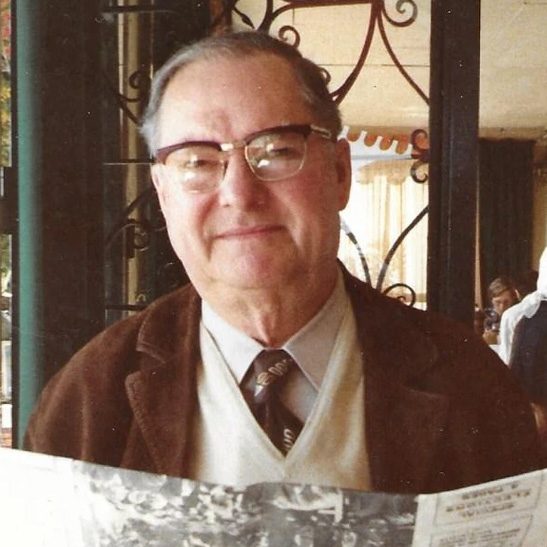
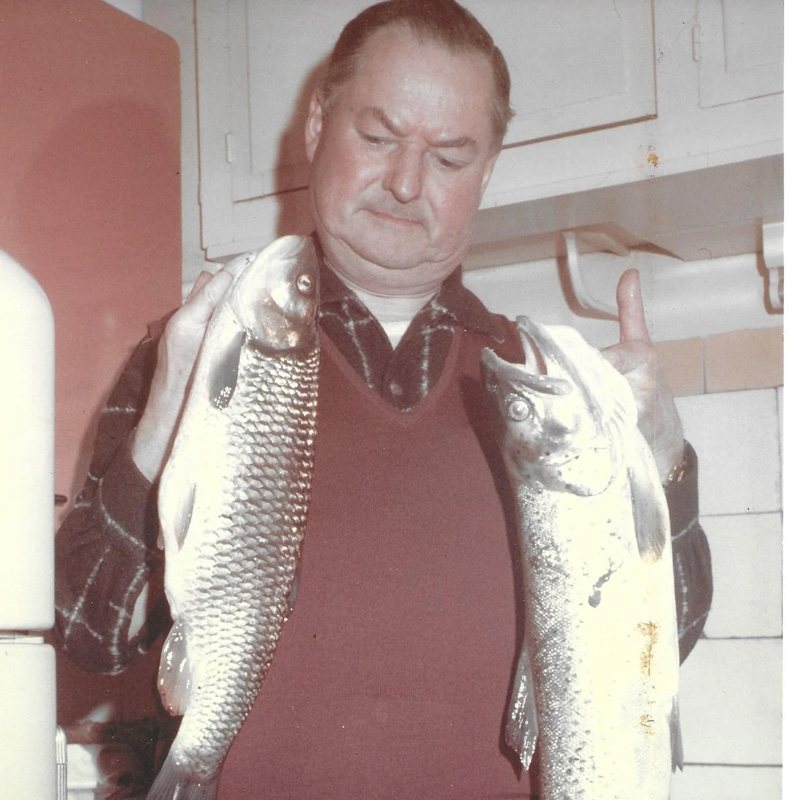
Nothing especially destined him for winemaking: Robert grew up in Chablis with a strong love of photography and nature.
At the request of his mother, Marguerite Philippon, Robert took over the family vineyard. He built the estate's cellar himself in La Chapelle-Vaupelteigne, a village neighbouring Chablis, and gradually adapted the vine varieties to reveal the full potential of the terroir.
The family carried Robert's work forward, expanding the estate across the finest slopes of the Serein valley and refining winemaking methods, always guided by one goal: quality over volume.
Robert's grandson, Frédéric, now runs the estate. Committed to protecting the environment, he has led the estate toward more sustainable farming, continuing the family's exacting standards.
The Chablis vineyard, with vines averaging 30 years old, spreads across clay-limestone slopes dating from the Kimmeridgian era, on both sides of the Serein valley. Rich in marine fossils, this soil gives the wines their signature freshness and minerality.
A few kilometres from Chablis, the estate also farms around ten hectares across two distinct soils, giving these wines a fruitier character suited to early drinking. The white Bourgogne comes from the hardest Kimmeridgian rock on the south-facing vineyard of Préhy, yielding pleasant fruit notes and a dry character; it is bottled by traditional methods with very light filtration for an authentic, natural taste. The red Bourgogne grows on 40-year-old, east-facing vines on the Portlandian limestone of Saint-Bris-le-Vineux, where shallow topsoil over warm, gravelly ground gives the vines natural drainage. The Bourgogne Aligoté and Saint-Bris Sauvignon come from the Auxerrois valley, on the hills surrounding the village of Saint-Bris.
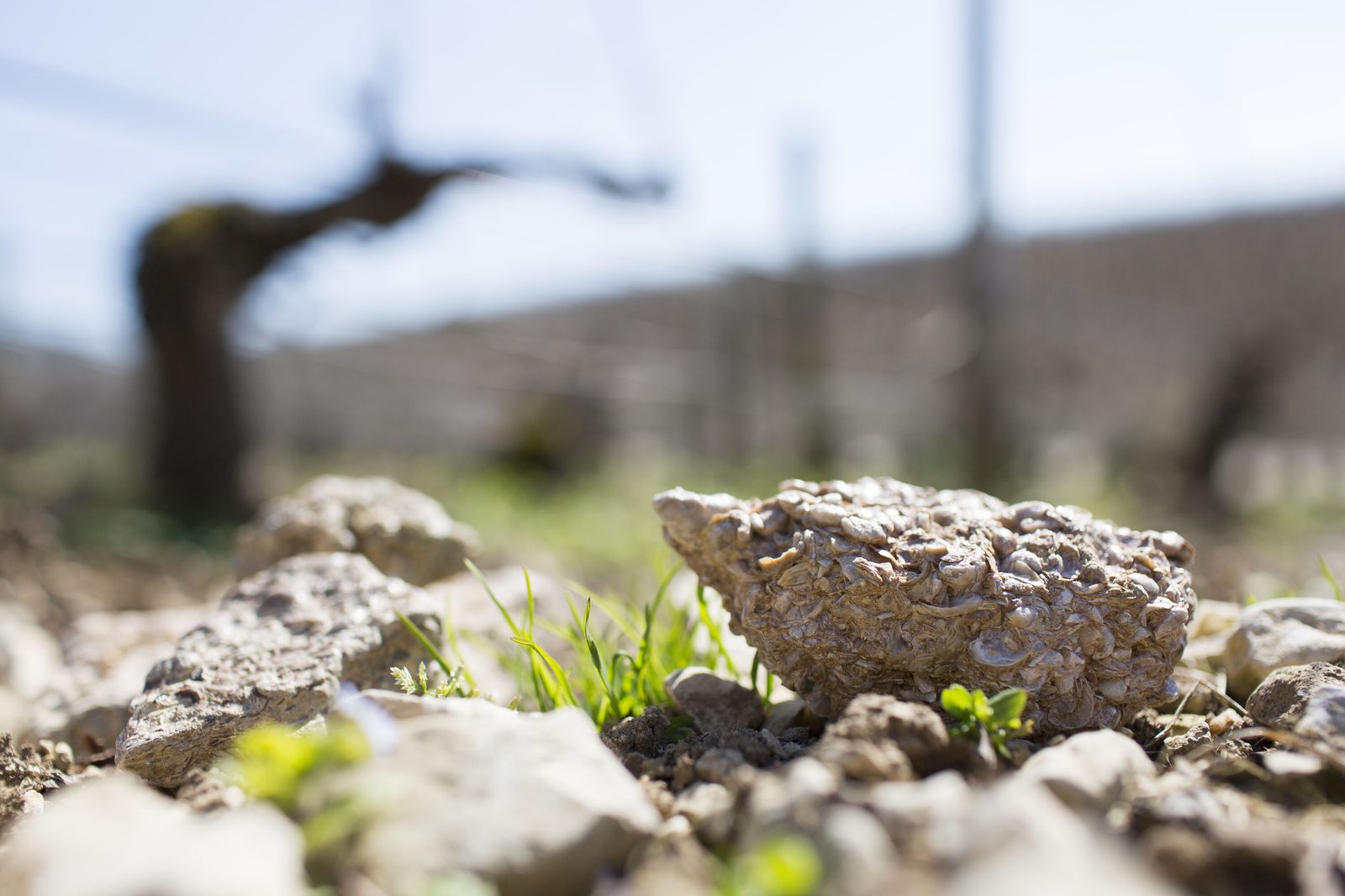
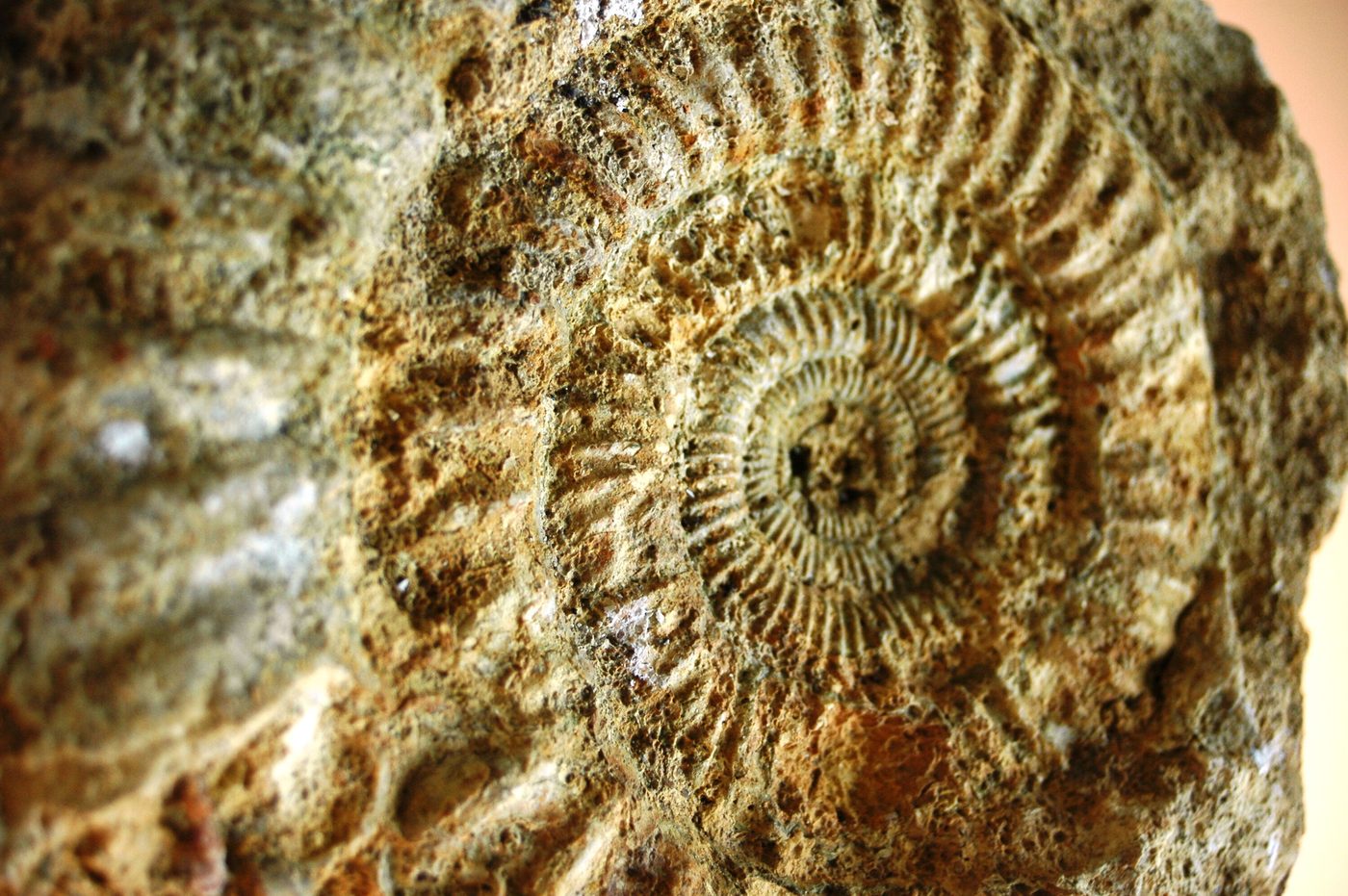
These marine fossils — oyster shells and ammonites — are around 150 million years old. They are the reason Chablis soils carry so much minerality into the glass.
A pneumatic press operating at low pressure to preserve the finesse and purity of the juice.
Fermented in stainless steel tanks with indigenous yeasts, over 3 to 4 weeks, at a controlled temperature of 18–20°C.
After completing malolactic fermentation, the wines are patiently aged before bottling.
The estate follows a High Environmental Value (HVE) approach, a certification obtained in 2019, which promotes biodiversity, reduces the impact of treatments, and encourages responsible water management. Recycling, energy efficiency, and choosing responsible suppliers are part of the estate's daily practice.